Green and Fashionable: Fresh Produce Boxes Packaging of Tomorrow
The fresh produce packaging sector is undergoing transformation. Eco-friendliness and visual appeal have become vital elements for attracting eco-conscious consumers. These consumers demand packaging that minimizes environmental impact while maintaining aesthetic appeal. Novel designs and sustainable materials are appearing to address these needs. The balance between functionality and visual appeal brings up important questions about the future of packaging in this sector. What solutions will define the next generation of fresh produce boxes?
The Significance of Eco-Friendly Packaging for Fresh Produce
Environmental responsibility highlights the growing need for green practices in the food industry, specifically in the packaging of fresh produce. Typical packaging methods frequently rely on plastics that cause environmental degradation and waste. By moving towards sustainable packaging solutions, the industry can considerably reduce its ecological footprint. Materials such as biodegradable plastics, recycled paper, and plant-based alternatives are gaining traction, fostering both environmental integrity and consumer appeal.
Additionally, sustainable packaging not only minimizes waste but also improves the shelf life of fresh produce, minimizing spoilage and loss. This twofold advantage aligns with the increasing demand for transparency and responsibility in sourcing and packaging among consumers. As awareness of environmental issues rises, the importance of sustainable packaging becomes critical, positioning brands that prioritize these practices as leaders in an increasingly eco-conscious marketplace. Implementing sustainable packaging is not just a trend; it is a essential evolution in the fresh produce sector.
What Sustainability-Focused Customers Need
Green-minded buyers continually prefer minimalist designs that represent their commitments of sustainability and simplicity. They are also insisting on packaging crafted from eco-friendly materials, aligning their purchasing choices with environmental responsibility. Comprehending these priorities is crucial for brands seeking to engage this growing market segment.
Clean Design Preferences
How might packaging embody the ideals of modern mindful shoppers? Eco-conscious shoppers increasingly prefer minimalist design approaches, looking for the marriage of clean design and usability. This design philosophy highlights uncluttered designs, subtle hues, and limited brand messaging, matching the demand for honesty and true representation. Customers prefer packaging that accentuates the natural qualities of what's contained, building a more meaningful relationship with their dietary selections. Moreover, simple design approaches frequently lower material consumption, supporting environmental objectives. By prioritizing essential elements, businesses can express their pledge to sustainable practices while appealing to consumers' aesthetic sensibilities. This movement toward simplicity both improves the unpacking moment but additionally aligns with conscious purchasing principles.
Biodegradable Material Requirements
With growing consumer awareness of environmental issues, the demand for biodegradable materials in packaging has surged. Eco-conscious shoppers are prioritizing sustainability, seeking products that reduce environmental harm. This shift is prompting brands to explore innovative materials such as compostable films, plant-based plastics, and paper substitutes. These biodegradable options not only reduce landfill waste but also align with consumers' values of responsible consumption. Market research shows that shoppers are willing to pay a premium for packaging that is environmentally friendly, reflecting a wider movement toward sustainability in purchasing decisions. As a result, companies are reacting by integrating biodegradable solutions into their packaging strategies, improving their appeal to a expanding population of environmentally aware consumers.
Core Materials for Sustainable Produce Packaging
The material selection for eco-friendly produce boxes serves a critical function in sustainable packaging. Choices like biodegradable materials, recyclable substances, and innovative plant-based solutions are receiving recognition for their environmental benefits. Learning about these key materials can assist consumers and producers make informed choices that encourage sustainability.
Environmentally Friendly Packing Alternatives
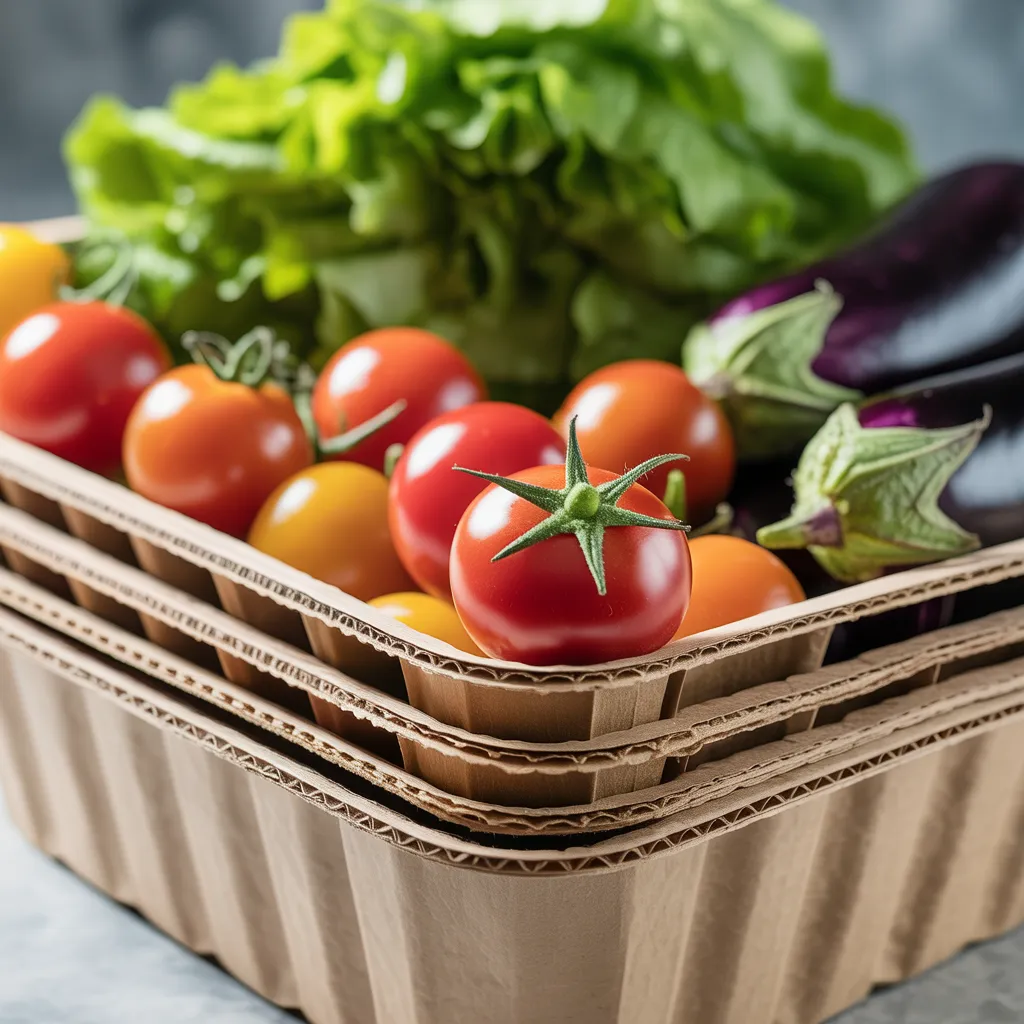
A variety of biodegradable packaging options are presently available for eco-friendly produce boxes, showing a growing commitment to sustainability. Materials like cornstarch, mushroom mycelium, and plant-based plastics are increasingly favored for their capability to decompose naturally without leaving harmful residues. Moreover, paper and cardboard derived from recycled sources offer a lightweight yet strong alternative, suitable for diverse produce types. These materials not only lower environmental impact but also improve the consumer experience by aligning with complete guide values of health and responsibility. As demand for sustainable packaging rises, manufacturers are innovating to create functional designs that preserve freshness while minimizing waste, paving the way for a greener future in the produce industry.
Recyclable Resources Currently in Use
Investigating recyclable materials reveals a variety of eco-friendly options that improve the sustainability of produce boxes. Cardboard, a widely used recyclable material, provides strength and versatility while being easily repurposed. Paperboard packaging, similar in characteristics, offers a lightweight alternative that can be efficiently recycled. Moreover, certain plastics, such as PET and HDPE, are increasingly being implemented into produce box designs. These materials not only reduce waste but also support a closed-loop system when collected properly. The use of inks and adhesives that are also recyclable further reinforces these efforts. By emphasizing recyclable materials, companies can significantly minimize their environmental footprint, aligning with consumer demands for sustainable practices in the food packaging industry.
Innovative Nature-Derived Alternatives
While traditional materials dominate packaging, innovative plant-based solutions are appearing as game-changers for eco-friendly produce boxes. These materials, obtained from renewable resources such as corn starch, sugarcane, and bamboo, offer sustainable alternatives that reduce environmental impact. Biodegradable options degrade naturally, reducing landfill waste and encouraging a circular economy. Furthermore, plant-based polymers can be engineered to provide durability while retaining a lightweight profile, boosting transport efficiency. Companies are progressively embracing these solutions to meet consumer demand for sustainability, often including eye-catching designs that showcase their eco-friendliness. As technology progresses, these materials persistently evolve, offering even greater functionality and aesthetic appeal, opening the way for a greener future in produce packaging.
Eco-Friendly Designs That Attract Eco-Conscious Buyers
How do sustainable packaging designs effectively capture the attention of eco-conscious consumers? The answer lies in several strategic elements that resonate with their values. Initially, using recyclable or biodegradable materials demonstrates a commitment to environmental responsibility, appealing directly to consumers' desire for sustainable practices. Furthermore, minimalistic designs that reduce waste not only communicate a message of simplicity but also correspond to the eco-conscious ethos of limiting excess.
Furthermore, including elements such as natural inks and dyes enhances the organic nature of the product. Clear labeling that emphasizes sustainability efforts informs consumers, fostering trust and loyalty. Ultimately, engaging storytelling about the source of materials and the brand's mission can develop a deeper connection, making the packaging more than just a container. By combining these features, companies can design packaging that not only engages eco-conscious consumers but also motivates them to actively support sustainable brands.
Accomplishing Visual Attractiveness and Eco-Conscious Packaging
Environmentally responsible packaging can reach design excellence without sacrificing its sustainability standards. By integrating eco-conscious materials, such as biodegradable plastics and recycled paper, companies can develop compelling visual presentations that resonate with eco-conscious consumers. Employing vibrant colors extracted from botanical dyes enhances the design attractiveness while sustaining environmental responsibility.
Innovative shapes and minimalist designs can also elevate packaging aesthetics, drawing attention on store shelves. Including clear windows created from compostable materials allows consumers to view the fresh produce inside, additionally enticing them.
Furthermore, brands can utilize textures that evoke a sense of organic quality, aligning with the ethos of sustainability. This dual focus not only elevates the visual dynamics of the packaging but also communicates a commitment to environmental responsibility. Finally, the convergence of aesthetic appeal and sustainability in packaging can foster deeper connections with consumers, reinforcing their loyalty to brands that prioritize both beauty and the planet.
Sustainable Packaging and Technology's Impact
Innovations in technology are revolutionizing the landscape of sustainable packaging, delivering innovative solutions that minimize environmental impact. Modern materials, such as biodegradable plastics and plant-based composites, are now being engineered to replace traditional petroleum-based options. These materials not only biodegrade more rapidly but also copyright structural integrity, making certain that fresh produce remains protected during transport.
Moreover, smart packaging technologies, like QR codes and sensors, strengthen traceability and reduce food waste by offering consumers with real-time insights about freshness and shelf life. Automation and robotics in production processes are improving manufacturing, reducing waste and energy consumption. Furthermore, digital printing systems allow more efficient use of inks and materials, promoting customization without jeopardizing sustainability.
Upcoming Advancements in Fresh Fruit and Vegetable Packaging
As fresh produce demand keeps evolving, cutting-edge packaging solutions are developing to tackle both ecological considerations and consumer preferences. Biodegradable materials are becoming mainstream, with companies researching vegetation-derived plastics and compostable films that decrease landfill waste. Advanced packaging technology is likewise emerging, incorporating sensors to monitor freshness and offer real-time data on product quality. This not only enhances end-user experience but also curtails food waste.
In addition, modular designs are gaining traction, permitting customizable packaging that accommodates diverse produce types while optimizing space during transportation. The integration of minimalist aesthetics addresses consumer demand for sustainability without sacrificing style. As these innovations emerge, they promise to transform the landscape of fresh produce packaging, combining ecological responsibility with practical functionality and consumer appeal. The future of packaging in this sector looks promising, paving the way for a more sustainable approach to food distribution.
Popular Questions
How Can Consumers Recycle Fresh Produce Boxes Effectively?
Shoppers can properly recycle produce containers by first removing any plastic elements, then flattening the boxes, and putting them in appropriate recycling bins. They should review local guidelines to verify proper recycling practices are followed.
What Costs Are Involved in Sustainable Packaging?
The costs associated with sustainable packaging typically encompass elevated material costs, production adaptations, and possible supply chain adjustments. Nonetheless, future financial benefits may arise from lowered waste, improved brand devotion, and adherence to environmental regulations.
Are There Certifications for Eco-Friendly Produce Packaging?
Yes, several certifications are available for eco-friendly produce packaging, including FSC, USDA Organic, and Cradle to Cradle. These certifications guarantee that materials satisfy environmental standards, fostering sustainability and responsible sourcing in packaging solutions.
How Might Fresh Produce Boxes Impact the Food Shelf Life?
Produce boxes can greatly impact food shelf life by offering proper ventilation, moisture control, and protection from physical damage. These factors help maintain freshness, minimizing spoilage and increasing the usability of the contents.
Can Green Packaging Be Utilized for Other Purposes?
Environmentally conscious packaging often provides opportunities for reuse across multiple applications, including organizing items or storing belongings. The robust construction and sustainable materials motivate users to find new uses for items, promoting a circular economy and reducing overall waste in the environment.