Inexpensive Custom Produce Boxes: Quality Packaging for Any Price Range
Cost-effective personalized vegetable boxes serve a critical function in contemporary commercial operations. They blend superior standards and budget-friendly pricing, rendering them available to a diverse array of organizations. These boxes strengthen brand identity while also appealing to eco-conscious consumers. Companies can accomplish this goal without burdening their budgets. Comprehending the essential elements and material choices will expose how such packaging can revolutionize customer experiences. The next steps may be instrumental in unlocking greater success.
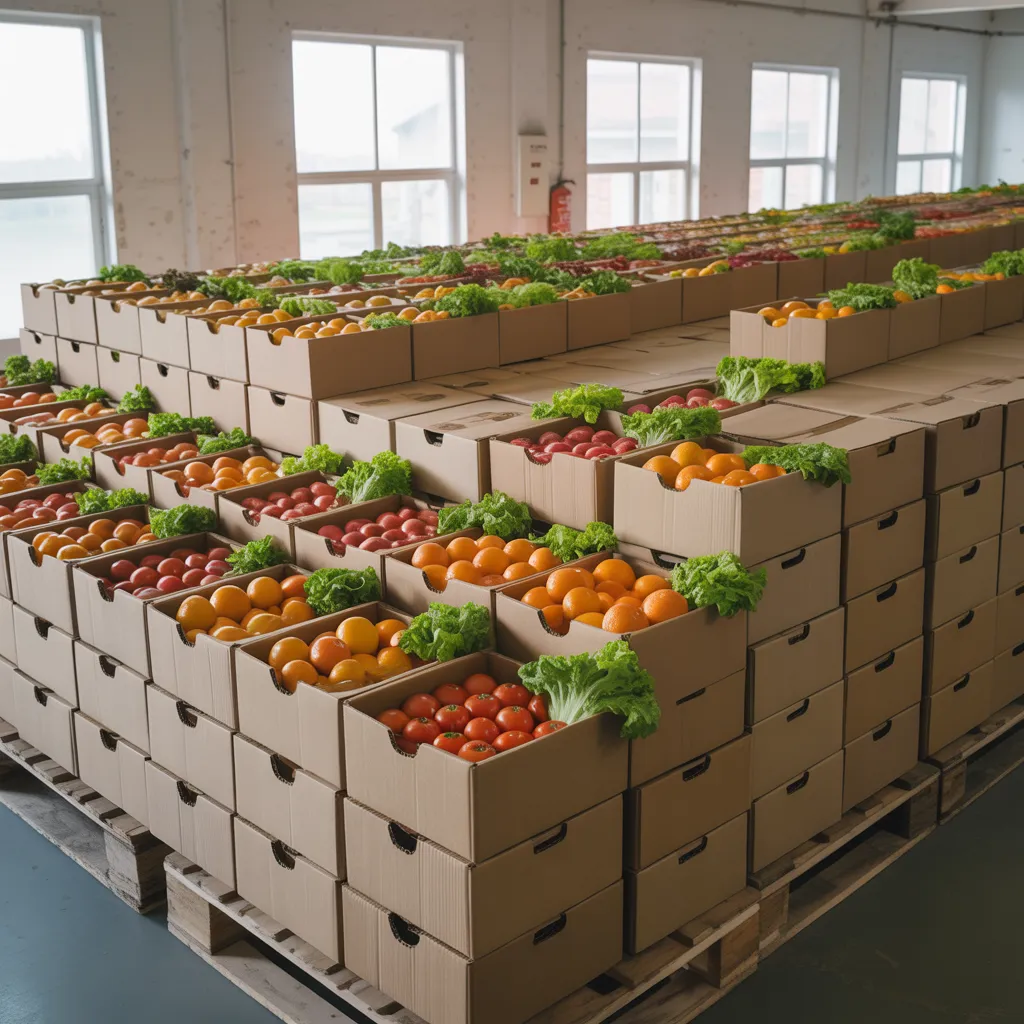
Why Custom Produce Boxes Matter for Your Business
Custom produce boxes act as an essential element in defining a business's brand identity and boosting customer experience. These boxes are not just functional; they act as a visual representation, attracting attention and fostering recognition. Striking designs and premium materials communicate professionalism and care, setting a business from competitors in the market.
Additionally, custom packaging provides companies the opportunity to communicate their values, such as environmental consciousness or regionally-sourced products, directly to consumers. This relationship strengthens faith and devotion, encouraging repeat purchases.
Furthermore, the right packaging can improve the opening experience, transforming a simple transaction into a memorable event. As customers encounter unique packaging, they are apt to share their experiences on social platforms, amplifying brand visibility.
Custom produce boxes protect products and simultaneously contribute significantly to marketing and customer engagement, making them an essential expenditure for every organization.
Essential Features for Budget-Friendly Custom Produce Packaging
Affordable custom produce packaging should highlight specific features that balance cost and functionality. First, longevity is essential; packaging must withstand handling and transportation without compromising the integrity of the produce. In addition, lightweight materials can reduce shipping costs while maintaining protection. Custom solutions, such as branding and size adjustments, enhance marketability without greatly adding to expenses.
Ventilation represents another key element; ventilated packaging solutions sustain freshness, lowering spoilage and waste. Additionally, straightforward assembly and disassembly procedures supports cost-effectiveness by improving the packing process. Eco-friendliness continues to gain importance; incorporating sustainable or compostable options resonates with environmentally aware consumers, strengthening brand image. Finally, well-defined labeling choices allow inventory management and compliance with regulations. By highlighting these essential features, businesses can produce cost-effective custom produce packaging that addresses both functional and budgetary needs.
Comparing Material Choices for Affordable Produce Boxes
When contemplating cost-effective personalized produce containers, choosing the right materials is indispensable. Plastic and cardboard selections each offer different benefits, impacting both cost and sustainability. In addition, exploring green options can provide creative design approaches that fulfill budget constraints while advancing environmental responsibility.
Cardboard Versus Plastic Choices
While both cardboard and plastic act as viable options for produce boxes, their varied traits can markedly affect cost and eco-friendliness. Cardboard, typically more affordable, offers superb adaptation options and is widely recyclable, appealing to firms looking for economical solutions. However, it may not withstand with moisture well, possibly compromising product integrity. Conversely, plastic boxes supply toughness and resistance to water, making them suitable for extended storage periods. They can be more expensive at first but are reusable, which might offset costs over time. Ultimately, the choice between cardboard and plastic depends on targeted needs, including cost constraints, product type, and desired longevity, underscoring the importance of evaluating both material options before deciding.
Eco-Friendly Material Alternatives
Eco-friendly material choices play an important role in the design of affordable produce boxes, affecting both environmental impact and market appeal. Options such as post-consumer recycled cardboard and biodegradable materials are increasingly favored for their sustainable properties. Post-consumer recycled cardboard reduces waste and minimizes the demand for virgin materials, making it a popular choice among environmentally conscious consumers. Additionally, biodegradable alternatives, such as plant-based plastics, offer an eco-friendly solution that decomposes without leaving harmful residues. These materials not only enhance the produce box's sustainability profile but also attract customers who prioritize eco-friendliness. Ultimately, selecting the right materials is critical for producers looking to balance affordability with environmental responsibility, contributing to a more sustainable packaging industry.
Budget-Friendly Design Approaches
Investigating affordable design methods for affordable produce boxes reveals a variety of material options that strike a balance between quality and price. Cardboard remains a popular choice, supplying durability and lightweight characteristics at a low cost. Corrugated cardboard boosts structural integrity, making it ideal for heavier produce while still being budget-friendly. For a more eco-conscious approach, recycled paperboard provides a green solution without forfeiting affordability. Additionally, plastic alternatives, such as biodegradable or reusable materials, can afford long-term savings despite higher initial costs. Each material presents unique benefits, more info allowing businesses to select based on their specific needs, ensuring that quality packaging continues accessible for all budgets while effectively protecting the contents within.
Budget-Friendly Tips for Sourcing Custom Packaging
When sourcing custom packaging on a budget, companies can gain advantages through a planned strategy that emphasizes cost efficiency without sacrificing quality. First, evaluating several vendors is essential; this allows for a better understanding of pricing options and available options. Additionally, opting for conventional dimensions and layouts can greatly reduce costs, as custom molds and unique shapes often incur increased costs.
A beneficial tip involves buying items in large quantities, which frequently results in reduced prices and decreased unit expenses. Besides, companies ought to evaluate nearby vendors to reduce delivery charges and support community economies.
Finally, investigating eco-friendly materials can be both affordable but also appeal to eco-aware customers. By adopting these cost-saving approaches, companies can secure high-quality personalized packaging that meets their financial constraints while still adequately fulfilling their packaging requirements.
Improving Your Produce Boxes With Custom Branding
Custom packaging design on product containers can tremendously shape buyer impression, making eye-catching designs required for attracting attention. Additionally, leveraging sustainable materials not only enhances the visual presentation but also corresponds to mounting sustainability priorities among consumers. As a whole, these elements can uplift a brand's identity and economic footprint.
Eye-Catching Designs Are Significant
Eye-catching designs serve an crucial role in the branding of produce boxes, greatly impacting customer understanding and buying decisions. A carefully crafted box can draw focus on busy shelves, making products to stand out. Distinctive graphics, vibrant colors, and clear typography help communicate the brand's identity and principles, building an emotional connection with consumers. Additionally, visuals that showcase freshness and excellence can enhance the perceived value of the produce inside. Personalized marketing not only distinguishes products from rivals but also encourages brand loyalty among consumers. As shoppers increasingly look for visually appealing packaging, investing in striking visuals becomes vital for businesses striving to increase revenue and establish a memorable presence in the marketplace.
Environmentally responsible Material Choices
Embracing sustainable material options for fruit containers not only improves their attractiveness but also aligns with growing customer interest for green goods. Many businesses are adopting decomposable, organic-waste convertible, and recyclable materials, which minimize ecological footprint while preserving product integrity. Choices including corrugated cardboard and plant-based bioplastics offer durability and protection for fresh produce. Custom branding can be smoothly incorporated into these materials, allowing companies to communicate their commitment to sustainability. By employing eco-friendly inks and simple aesthetics, brands can better highlight their green initiatives. In the end, adopting eco-conscious options promotes a positive brand image and draws in environmentally aware customers, creating a mutually beneficial situation for both organizations and the planet.
Case Studies: How Small Businesses Excelled Through Custom Produce Packaging
Small businesses have transformed their branding and sales strategies through innovative produce packaging solutions. One notable example is a local organic farm that redesigned its packaging to feature vibrant, sustainable boxes. This not only enhanced the farm's aesthetic presentation but also communicated its dedication to environmental responsibility, resulting in a 30% increase in sales.
One instance centered on a small grocery store that rolled out bespoke, tagged produce boxes. This approach enhanced organization and customer experience, producing a 15% jump in repeat customers.
A third organization, a community-supported agriculture (CSA) program, adopted personalized wrapping highlighting local artwork. This innovative approach cultivated local involvement and loyalty, ultimately increasing membership by 25%.
These examples reveal that effective custom produce packaging can markedly improve development of small businesses, elevating brand identity and creating customer loyalty while keeping economical pricing.
Frequently Asked Questions
What are the minimum purchase amounts for custom fresh boxes?
Minimum order volumes for custom produce boxes commonly range from 100 to 500 units, contingent on the supplier. Factors like design complexity and material preference also influence the required minimums for orders.
What Duration Is Required to Receive Custom Produce Boxes?
Approximately, it requires around two to four weeks to obtain custom produce boxes following placing an order. Considerations including design complexity and production schedules could influence the overall timeframe for delivery.
Is It Possible to Design My Own Tailored Produce Box?
Yes, individuals can design their own custom produce boxes. Many companies offer web-based design systems, permitting customers to pick proportions, color palettes, and designs, ensuring a bespoke packaging approach that meets their specific needs and preferences.
Do Eco-Conscious Choices Exist for Tailored Packaging?
Yes, many environmentally conscious solutions can be found for personalized packaging. Companies offer products like recycled cardboard, biodegradable plastics, and plant-based inks, permitting organizations to design environmentally responsible packaging options that decrease environmental impact while still satisfying their branding needs.
What Is the Average Cost Range for Custom Produce Boxes?
A typical price range for made-to-order produce boxes varies between $0.50 to $3.00 per unit, contingent on materials, size, and design complexity. Large-scale orders can lower expenses substantially, presenting more economical solutions for companies.